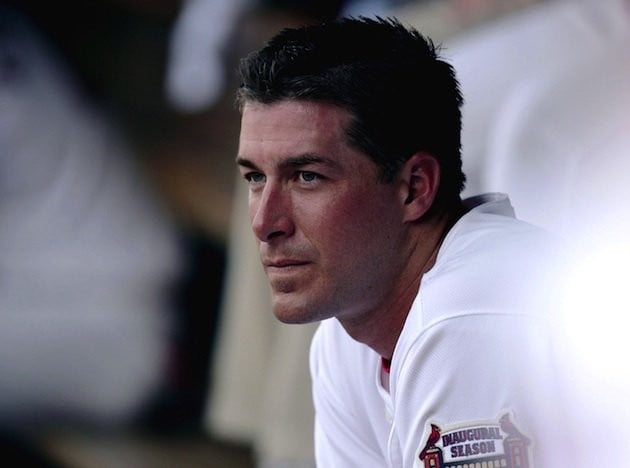
Mark Mulder, a name synonymous with dominant pitching in the early 2000s, carved out a remarkable career in Major League Baseball (MLB) before transitioning to an equally impressive post-baseball life, primarily on the amateur golf circuit and in broadcasting. For many fans and financial enthusiasts, the question of mark mulder net worth is a natural extension of his storied career. Understanding his financial standing involves looking beyond just his playing salary, encompassing endorsements, post-career ventures, and astute financial management.
Mulder’s journey from being a high draft pick to a multi-time All-Star pitcher, and then to a successful amateur golfer, provides a fascinating case study in athlete wealth and its evolution. This article delves into the various components contributing to his financial profile, offering insights into how professional athletes build and manage their wealth both during and after their playing days.
The Evolution of Mark Mulder's Wealth: From Mound to Media
Mark Mulder's professional baseball career began when he was drafted second overall by the Oakland Athletics in the 1998 MLB draft. This immediately set the stage for a lucrative career, and his initial contracts reflected his high potential. Over his nine seasons in MLB, primarily with the Athletics and St. Louis Cardinals, Mulder earned a significant amount through player salaries. His peak performance years with the "Moneyball" A's saw him become one of the league's top left-handed pitchers, leading to substantial contracts that built the foundation of his wealth.
A significant portion of mark mulder net worth stemmed directly from these playing contracts. For instance, after stellar seasons, he signed multi-year deals that escalated his annual income considerably. While specific details of every contract might vary, it's public knowledge that top-tier pitchers in that era commanded multi-million dollar salaries annually. His trade to the St. Louis Cardinals in 2005 also involved a significant contract extension, further solidifying his earnings. However, a series of injuries ultimately cut his promising career short, leading to his retirement from baseball in 2010.
After retiring from baseball, Mulder didn't fade from the public eye. He transitioned into broadcasting, working as an analyst for ESPN and the MLB Network, providing expert commentary on the sport he once dominated. These media roles, while perhaps not matching his peak MLB salary, offered a steady income stream and kept him connected to the game. Furthermore, his post-baseball passion for golf evolved into a highly successful amateur career, leading to appearances in professional tournaments like the PGA Tour Champions, which, while not a direct source of income in the same way as his baseball career, certainly contributed to his public profile and potential for other revenue streams.
Understanding the Components of Mark Mulder's Net Worth
When assessing mark mulder net worth, it's crucial to understand that net worth is not just about salary; it's a comprehensive calculation of assets minus liabilities. For a former professional athlete, these components can be diverse and complex:
- MLB Career Earnings: As mentioned, his multi-year contracts with the Oakland A's and St. Louis Cardinals formed the bedrock. Over his career, conservative estimates place his total salary earnings well over $50 million, a substantial figure for an athlete of his era.
- Endorsement Deals: During his prime, Mulder likely had various endorsement deals with sports brands (e.g., equipment manufacturers, apparel) and possibly local or regional businesses. These add significantly to an athlete's income beyond their base salary.
- Investments: Wise investment of career earnings is paramount for long-term wealth growth. Many athletes work with financial advisors to invest in stocks, bonds, mutual funds, and other financial instruments.
- Real Estate: Properties owned, whether primary residences or investment properties, contribute to assets. Mulder, like many successful athletes, has likely invested in real estate over the years.
- Business Ventures: While not widely publicized for extensive business empires, many athletes quietly invest in or own small businesses.
- Broadcasting & Media Income: His roles with ESPN and MLB Network have provided a consistent income stream post-retirement.
- Golf-Related Appearances: While his amateur golf career doesn't generate direct prize money in the traditional sense, high-profile appearances and celebrity status can lead to speaking engagements, endorsements, or pro-am appearances.
Conversely, liabilities such as mortgages, loans, and other debts would be subtracted from these assets. The judicious management of these elements is what truly defines an athlete's enduring financial success. For a deeper dive into the specifics of his early career earnings, refer to mark mulder net worth - Article 1, which meticulously breaks down his initial contracts and their impact.
Post-Playing Career Ventures and Financial Growth
Mark Mulder's post-baseball career offers a compelling narrative of successful transition and continued financial growth. Unlike some athletes who struggle after leaving their sport, Mulder found new avenues for engagement and income, further contributing to mark mulder net worth.
His work as a baseball analyst for major sports networks not only kept him relevant in the public eye but also leveraged his deep knowledge of the game into a new profession. This type of career path is common among former athletes and provides a stable, respectable income. Beyond the broadcasting booth, Mulder's dedication to golf transformed him into one of the most successful celebrity amateur golfers. He has notably won the American Century Championship, a celebrity golf tournament, multiple times. While prize money from such events is often donated to charity, the wins raise his profile, opening doors for other opportunities, such as sponsorships for golf equipment or invitations to high-paying corporate events.
These post-playing ventures are critical for an athlete's long-term financial health. They provide diversification of income and help maintain a comfortable lifestyle long after the high salaries of their playing days have ended. The skills learned in one high-pressure environment (professional sports) often translate well into others, allowing for continued professional and financial success.
Investing Wisely: Lessons from Athlete Wealth Management
The journey of accumulating wealth, especially for athletes whose careers can be short-lived, is only half the battle. Preserving and growing that wealth requires strategic planning and wise investment. Here are some practical tips and insights relevant to understanding how individuals like Mark Mulder manage their finances:
- Early Financial Education: Many professional leagues now offer financial literacy programs to help young athletes understand taxes, investments, and budgeting. This early education is crucial for making informed decisions.
- Diversification of Investments: Putting all eggs in one basket is risky. Spreading investments across different asset classes (stocks, bonds, real estate, private equity) mitigates risk and promotes stable growth.
- Long-Term Planning: Athletes should plan for life after sports from day one. This includes retirement savings, insurance, and establishing alternative income streams.
- Professional Guidance: Working with reputable financial advisors, wealth managers, and tax professionals is indispensable. They provide expertise and help navigate complex financial landscapes.
- Avoiding Risky Ventures: The allure of "get rich quick" schemes can be strong, but experienced financial managers advise against high-risk, speculative investments that can quickly erode wealth.
- Budgeting and Expense Management: Despite high incomes, overspending is a common pitfall. A robust budget and careful management of expenses are vital to ensure wealth accumulation.
Mark Mulder's sustained financial stability suggests a prudent approach to wealth management, likely incorporating many of these principles. His ability to transition successfully post-baseball further reinforces the notion that diverse interests and professional planning are key to an enduring financial legacy. To explore the detailed breakdown of his current financial portfolio and investment strategies, read mark mulder net worth - Article 3.
Conclusion
Mark Mulder's career, both on and off the baseball field, paints a clear picture of how determination, talent, and smart financial decisions contribute to significant wealth. From his considerable earnings during his MLB tenure to his successful transition into broadcasting and amateur golf, Mulder has effectively managed and grown his financial portfolio. While an exact figure for mark mulder net worth is not publicly disclosed and can fluctuate based on market conditions, it is evident that his disciplined approach to his career and finances has secured him a very comfortable position. His story serves as an excellent example of an athlete who successfully leveraged his athletic prowess into long-term financial security and continued personal fulfillment.
